
Reviving Chicago’s NFL Legacy: The Path to City-Owned Teams at Soldier Field
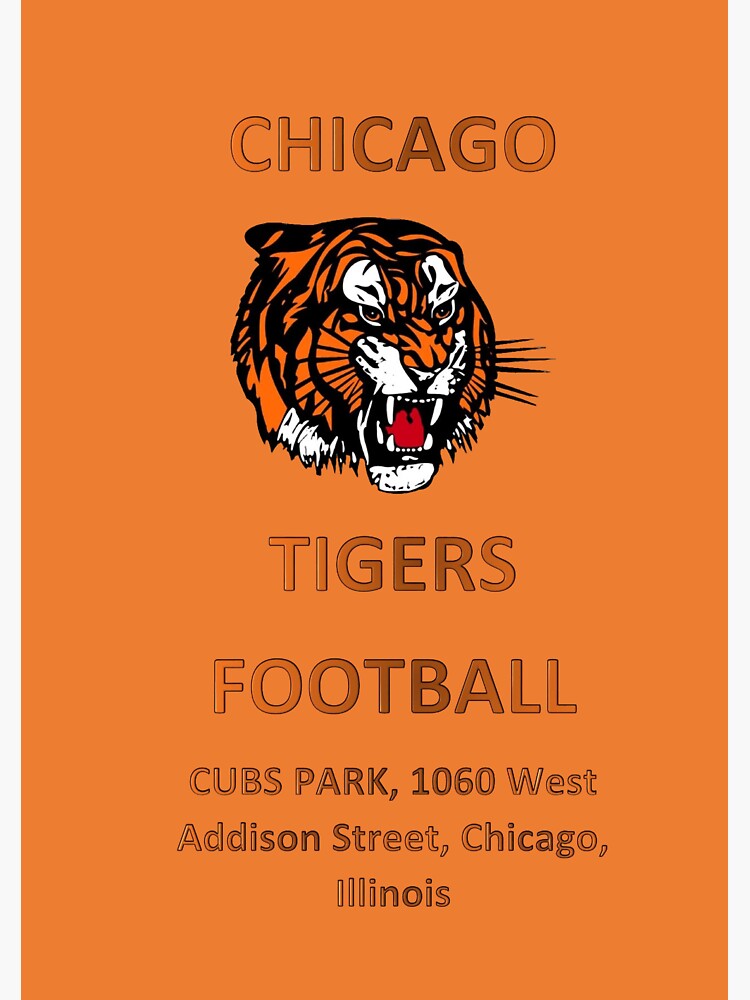
As the sports landscape evolves, cities across the United States are exploring innovative ways to enhance their local sports culture. The revival of historical teams like the Chicago (Racine) Cardinals and the Chicago Tigers offers a unique opportunity for the city of Chicago to reconnect with its rich football heritage, especially if the Chicago Bears were to relocate to Indiana. This article will delve into how these teams can be established as city-owned franchises, the implications of the Bears’ potential move, and the legal measures that could facilitate such a transformation at Soldier Field.
The Chicago Bears and the Rumors of Relocation
Current Landscape
The Chicago Bears, a central pillar of the city’s sports identity, have been exploring options for a new stadium, including a proposed site in Arlington Heights. If the Bears were to successfully move to Indiana, it would leave Soldier Field vacant in terms of NFL action, presenting an opportune moment for the city to consider reviving former franchises.
Soldier Field: More Than Just a Stadium
A Historic Venue
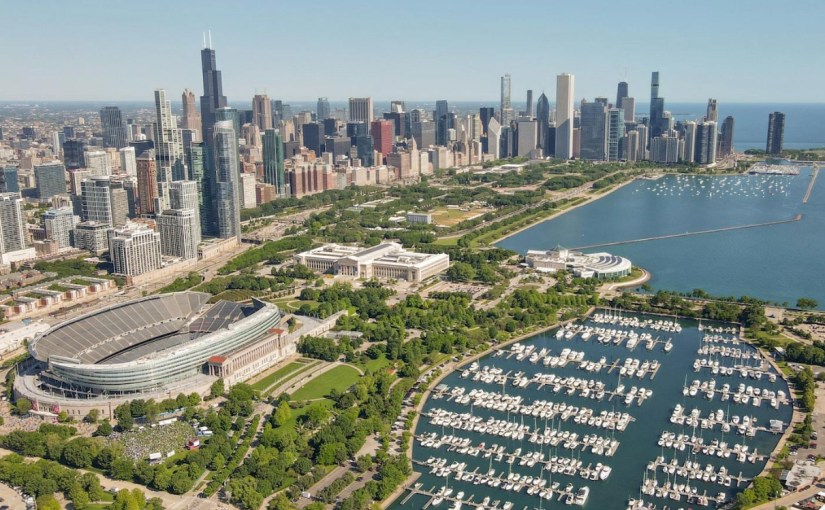
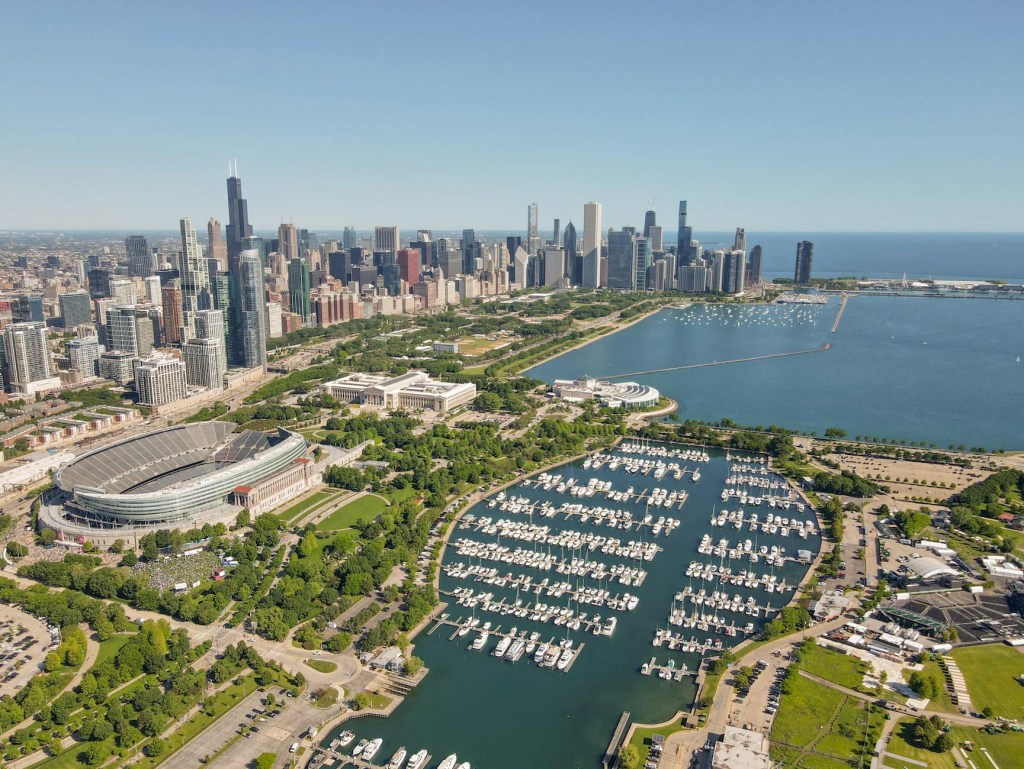
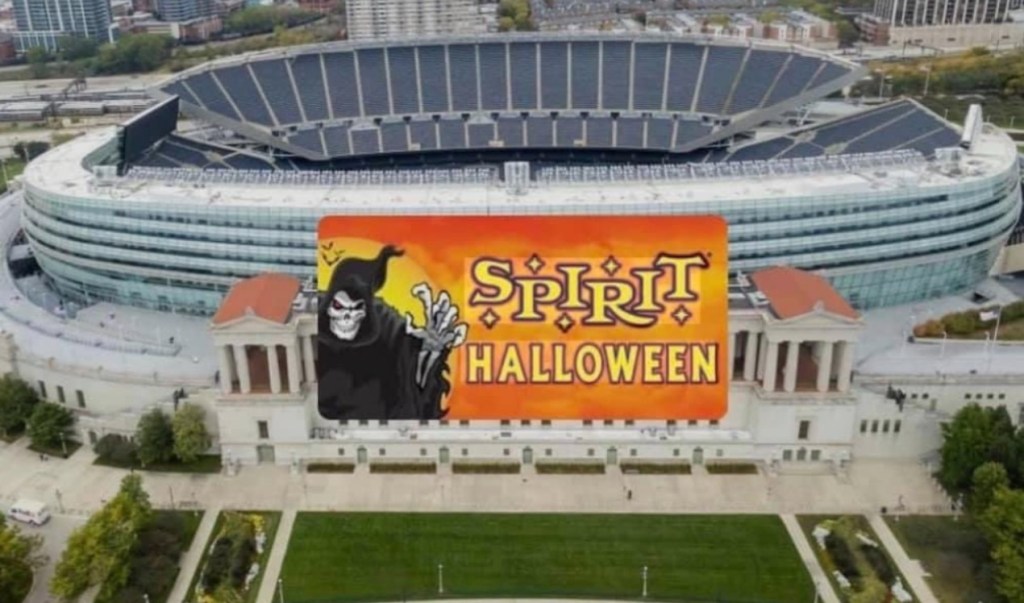
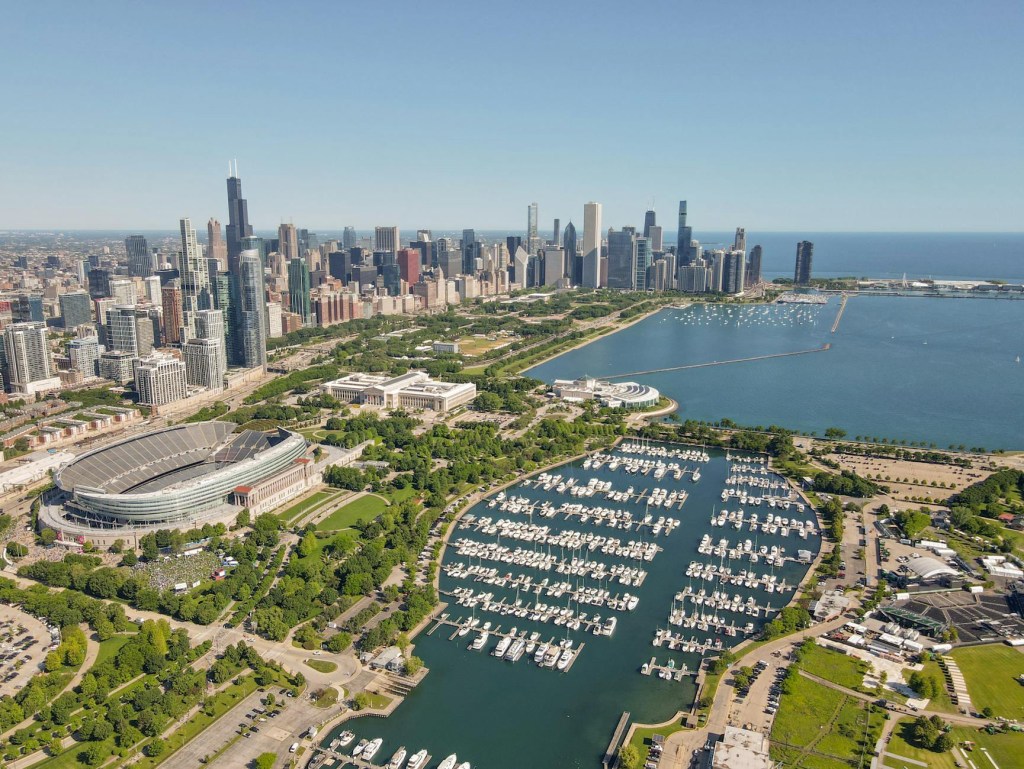
Soldier Field, opened in 1924, is one of the most storied stadiums in NFL history. Originally built to host football games, it has been the home of the Bears since 1971 and holds significant cultural and historical value for Chicago. If the Bears depart, Soldier Field could be reimagined as a home for the Cardinals and Tigers, providing a platform to reengage fans and revive local football culture.
The Path to City-Owned Teams
Legally and Strategically Establishing City Ownership
- Public-Private Partnerships: The city can establish partnerships with private entities to share the financial burden of running the teams. This can include sponsorship deals or investment in operational costs, ensuring the teams remain viable and competitive.
- Community Engagement: Initiating community engagement programs could rally support for the revival of the Cardinals and Tigers. Town hall meetings, fan forums, and outreach programs could build enthusiasm and demonstrate strong public demand, which is crucial for city backing.
- Legal Framework: The city can create legal frameworks that outline the operations, governance, and funding of the teams. This could involve revising existing stadium agreements or forming new municipal entities that oversee team management and operations.
- Funding Mechanisms: Exploring various funding mechanisms, such as tax incentives or municipal bonds, can provide the necessary financial backing for acquiring and operating the teams. These funds could be used to invest in stadium infrastructure, marketing, and community programs.
- Non-Profit Status: Creating the teams as non-profit organizations could allow for different funding models, including grants and community donations, which would help in operating without the pressure of profit margins that typically burden for-profit franchises.
Building on the Bears’ Move
If the Bears were to move to Indiana, the city of Chicago would have a unique opportunity to reinvigorate the local football scene. The departure of such a storied franchise could provide a clean slate, allowing for innovative ideas and a fresh start for new teams like the Cardinals and Tigers. With a focused effort, Soldier Field could once again be a vibrant hub for professional football.
Conclusion
The potential revival of the Chicago (Racine) Cardinals and the Chicago Tigers as city-owned teams provides a meaningful way for Chicago to maintain its rich football heritage. Especially in light of the Chicago Bears’ rumored relocation, stakeholders can leverage community support, legal frameworks, and strategic partnerships to breathe new life into these historic franchises. Soldier Field remains a powerful symbol of this potential revival, serving as the center stage for a new chapter in Chicago football history.



 THE CHICAGO PLUG